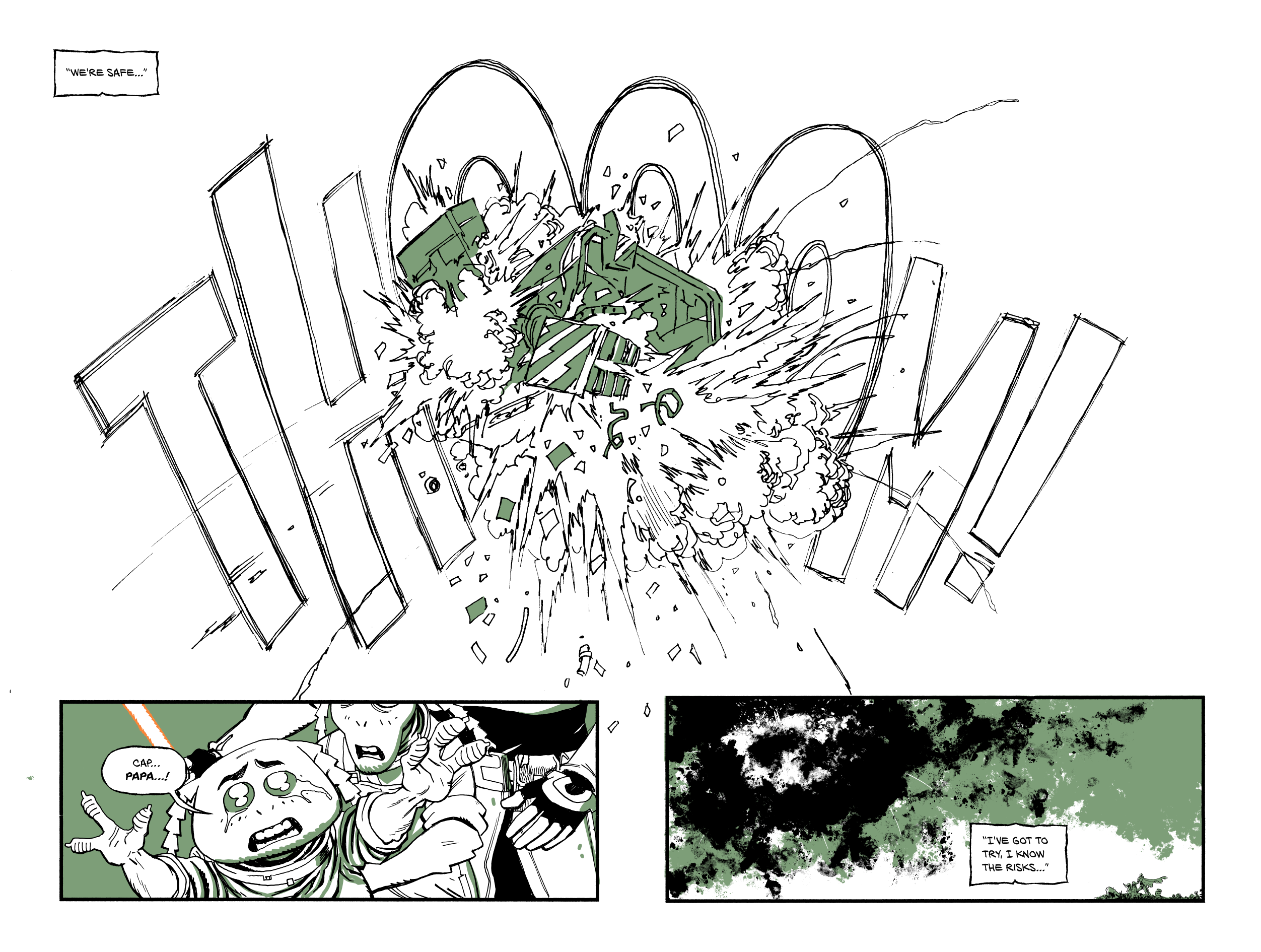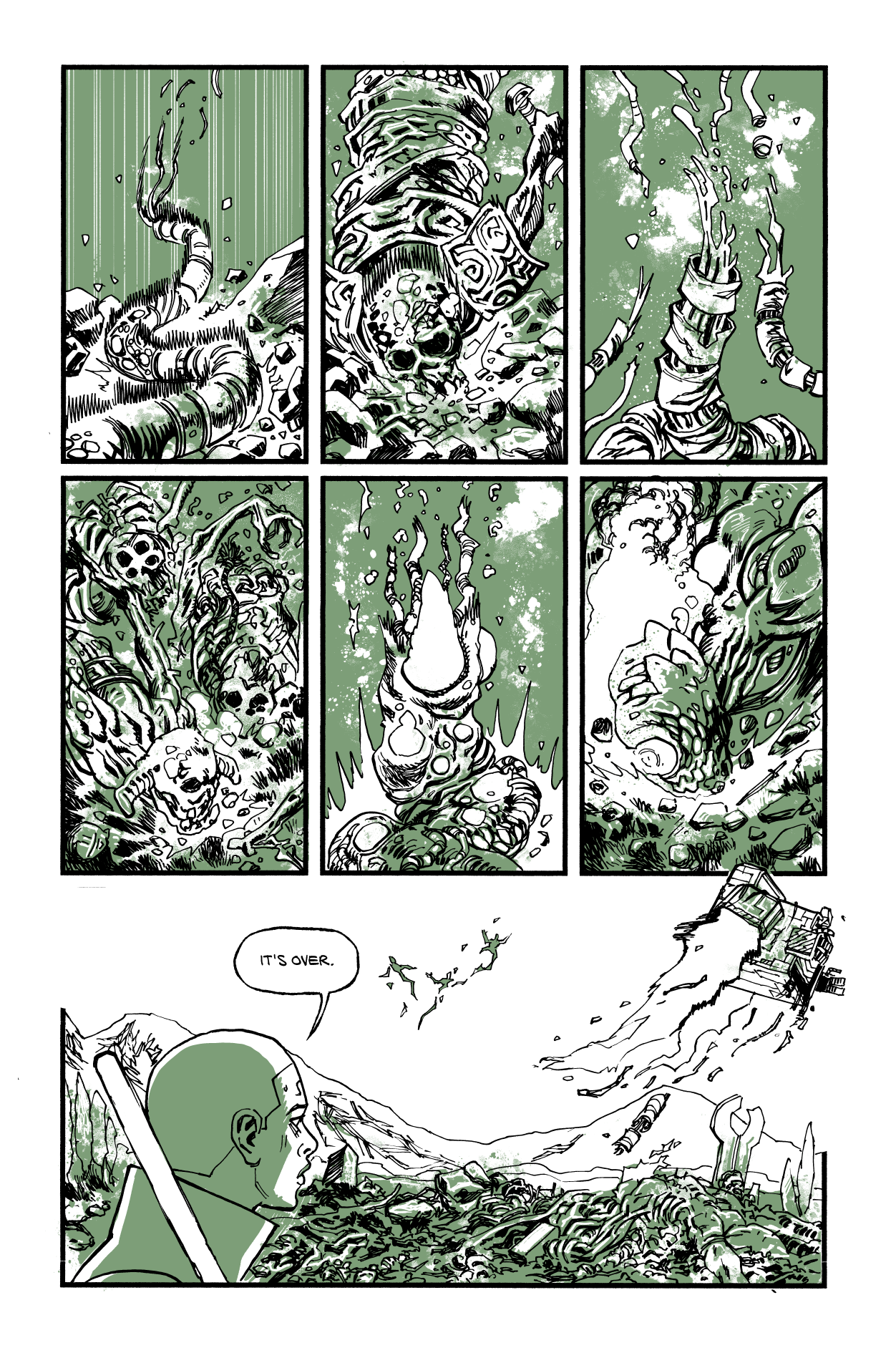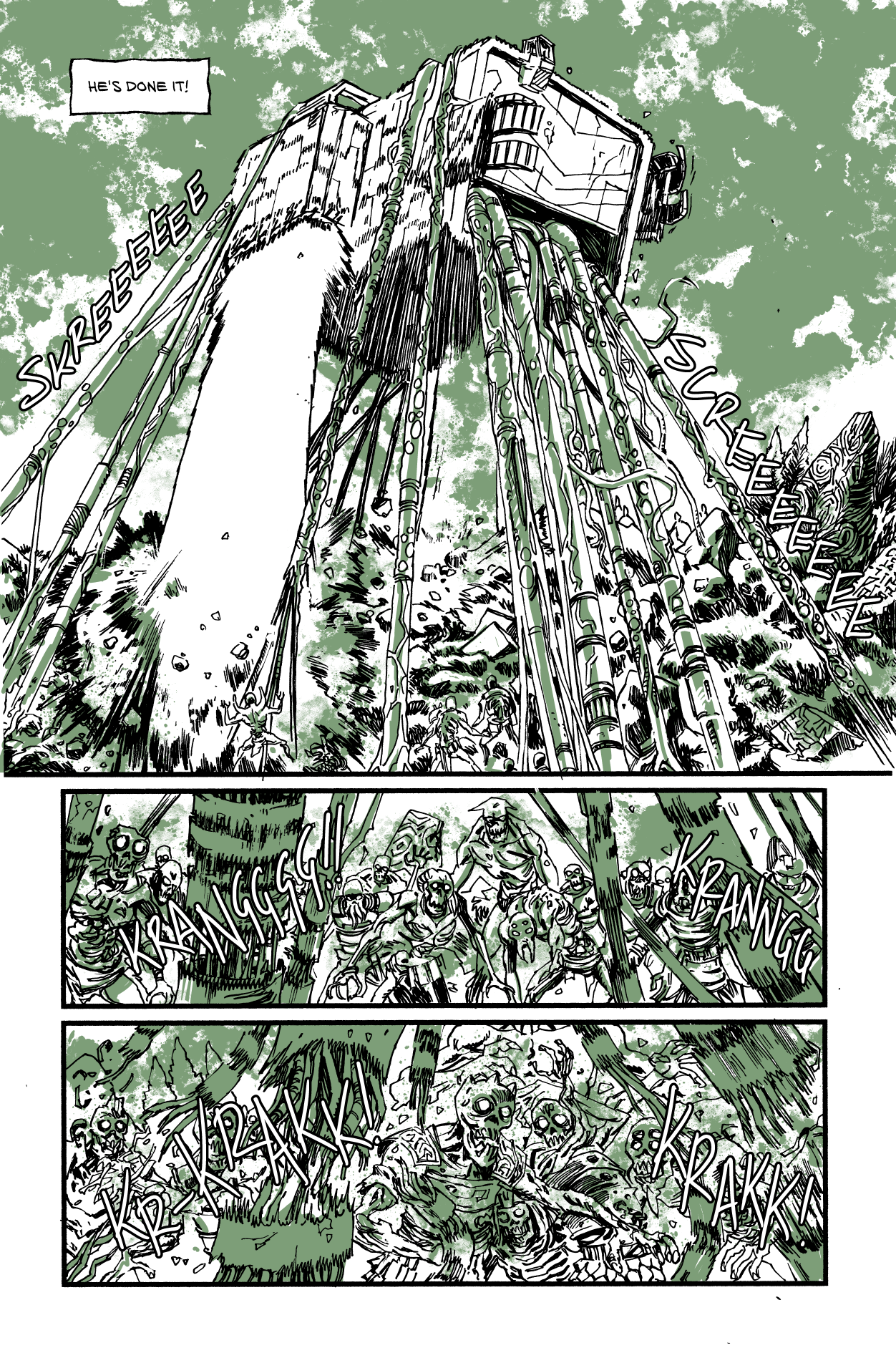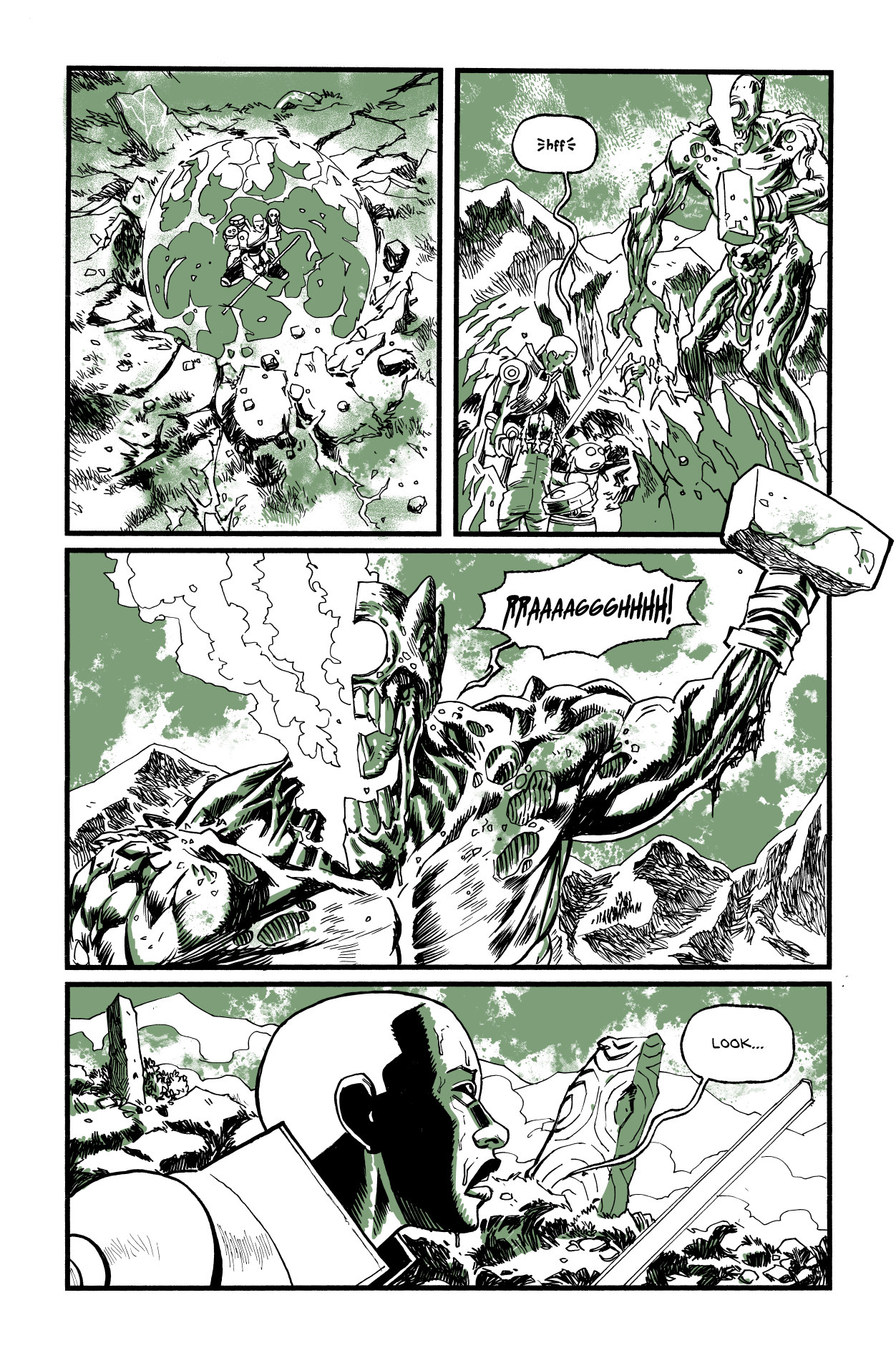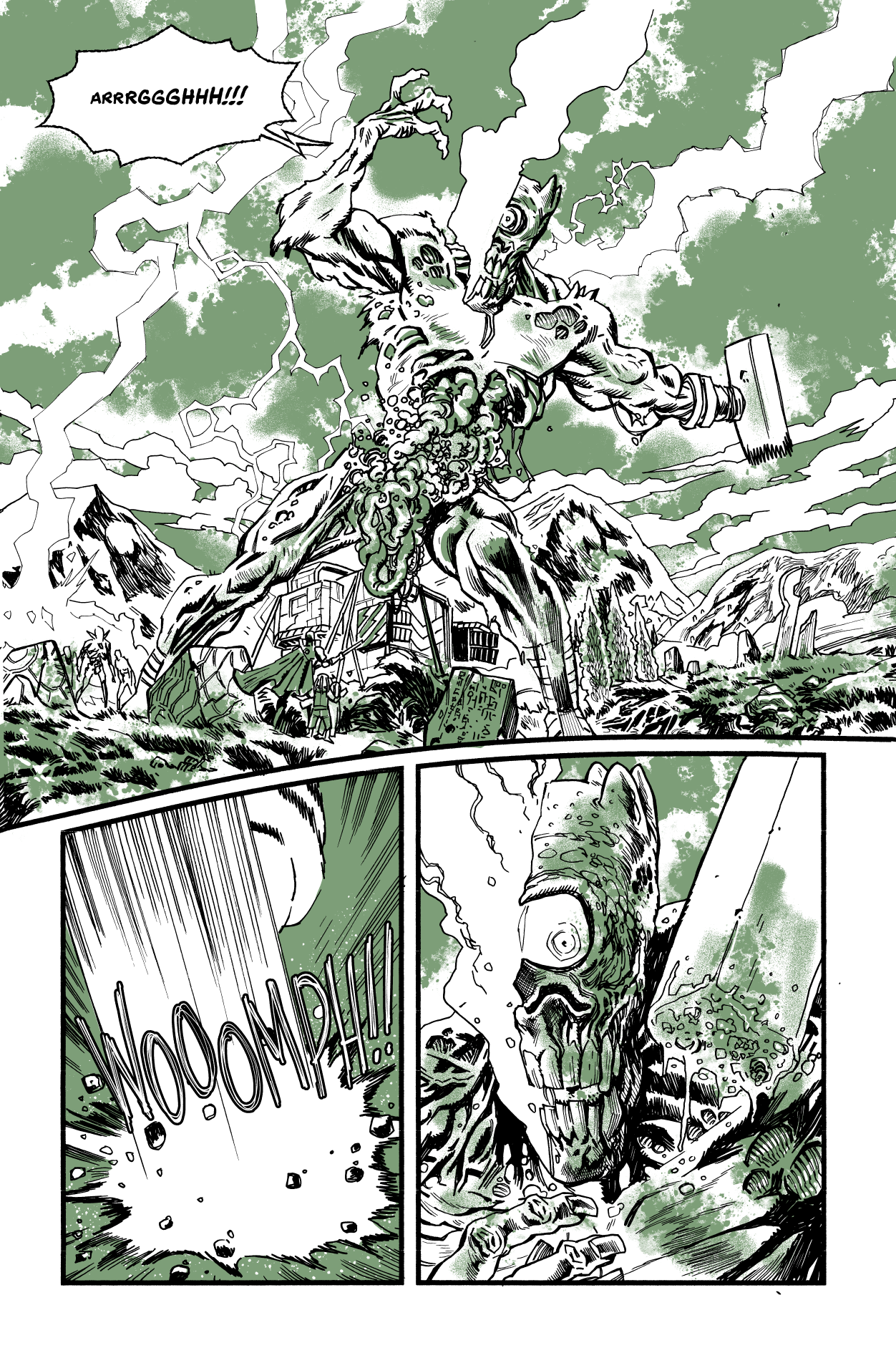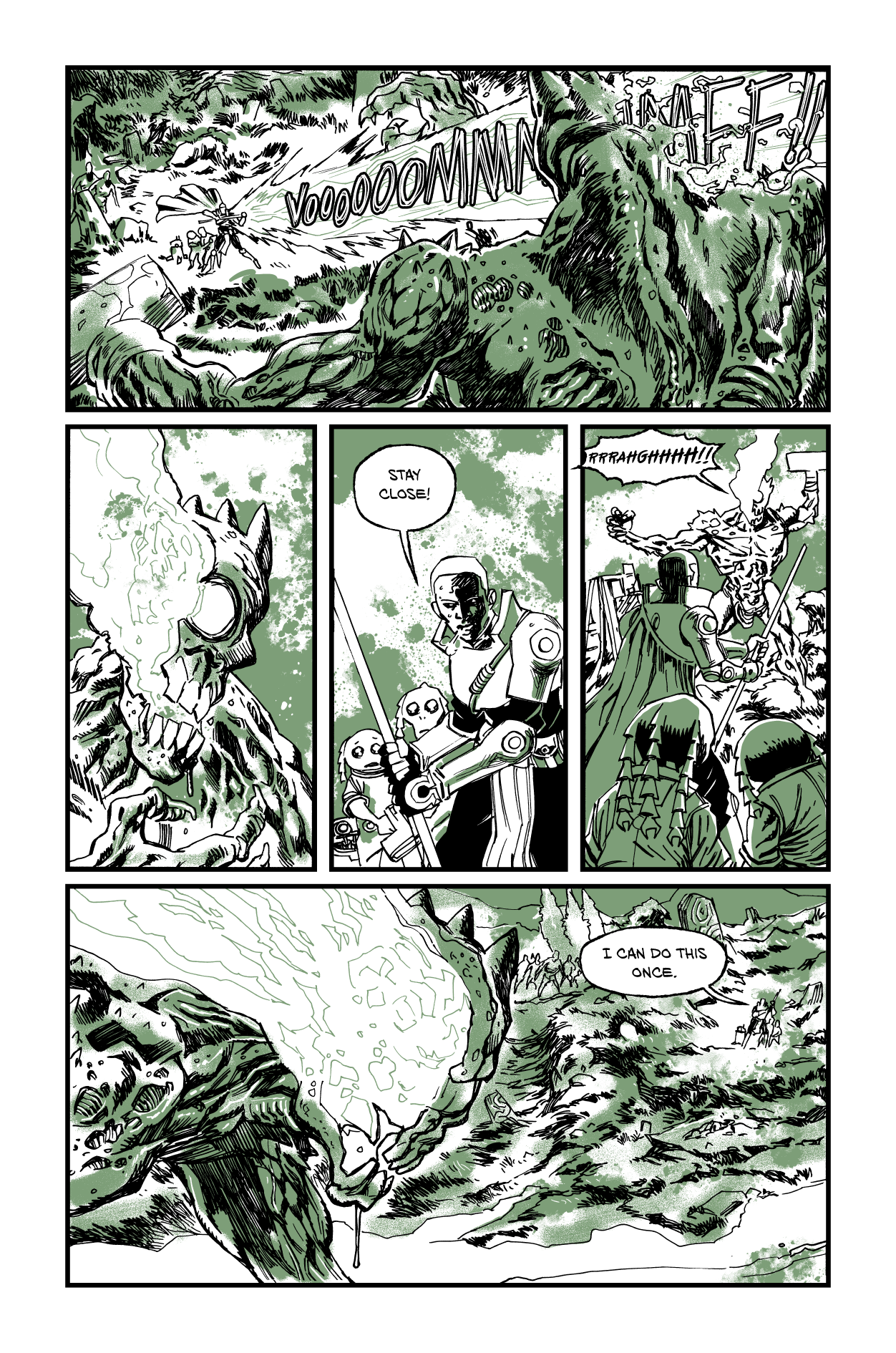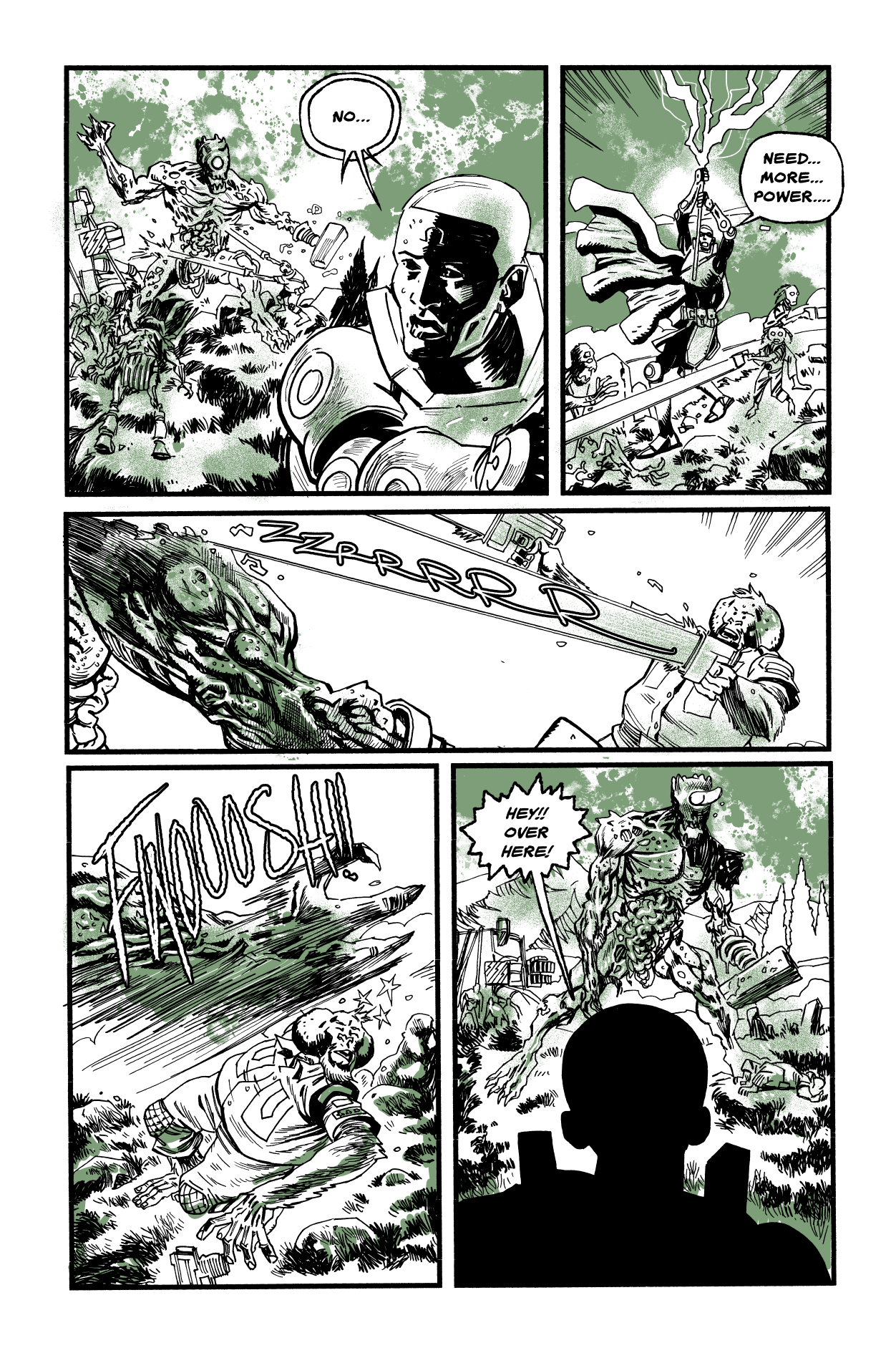
I’m afraid blogging is going to be a little less consistent for the next while, big news to come, but if I was busy before, now I’m insanely busy. And it’s all my own doing. Less cryptic updates to come.
Two days ago, Gail Simone (whose origin story is writing funny columns for ComicBookResources, back in the glory days of the web, when advertising wasn’t as all consuming and creative people were often paid to write) posted this on blusky:
Say a thought about comics. Here’s mine. In superhero dialog, verisimilitude is better than realism.
(Now, I am on shaky ground when it comes to big words, but verisimilitude is one of my favs and it means something that feels true or gives the appearance of being true – though more often applied to art than say the news – where Stephen Colbery coined the similair in meaning if not application “truthiness”)
I replied to this, wuith something that’s been on my mind for a long long time, with regards to comics and it was this:
Comics took too much from tv and film and not enough from theatre and opera.
So, that’s maybe not as obvious a thought as I thought and when asked to explain, I came up with this, which i will expand on a bit (I’ve also corrected for typos and meaning)
Quite a lot of the language of comics is lifted wholesale from film and tv (pan, frame, Dutch angle [when a panel is tilted], Birds Eye view, worms eye, POV etc) that language has then informed the kind of ways stories are told. But there’s a whole bunch of theatrical tricks (and things from opera)
That are not just “as helpful” but possibly more so. Theatre relies on the imagination of the viewer more than film or tv does and so actually can be more like comics. Theatre actors on stage will often cheat the angle so they face the audience and each other to deliver dialogues
A thing tv does by cutting between people’s heads, but the [Theatrical staging is] a technique we can use in comics too-to have characters talk to each other both facing the reader. Also theatre uses lighting in often more dramatic ways than film or tv (which esp now has become sort of hamstrung by digital colouring
Which has forced lighting to be flat while filming so they can add drama after the fact, but that stops really dramatic lighting from coming to the fore ) also opera gives us melodrama -over the top, big! Kirby has more in common with opera than most films. (Id argue)
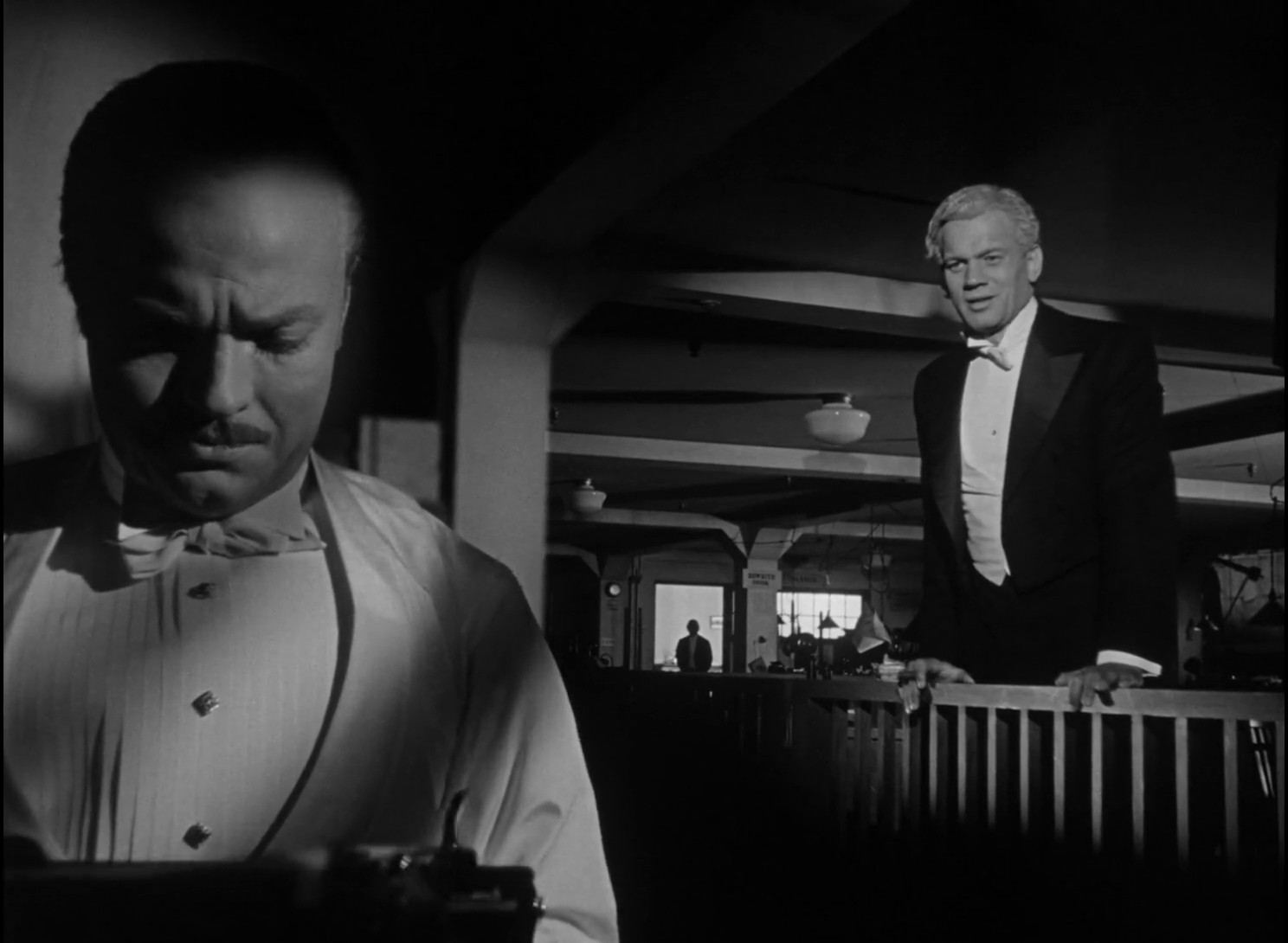
So oddly, one way I think I can explain this is by citing examples of films that USE theatrical staging as much as film staging. Orsen Well’s Citizen Kane, was heavily influenced by Well’s theatre experience.
Here’s a great example, two characters talking. BOTH facing the audience. film/tv now would do an establishing shot then you’d have “noddies” (a shot of the back of someone’s head while the other person talks, so called because – certainly in tv news – the back of the head is often nodding along, to indicate they’re listening – though guess what! IN tv interviews, they usually have only one camera so they often film the questions and responses seperatly! it’s all fake!)
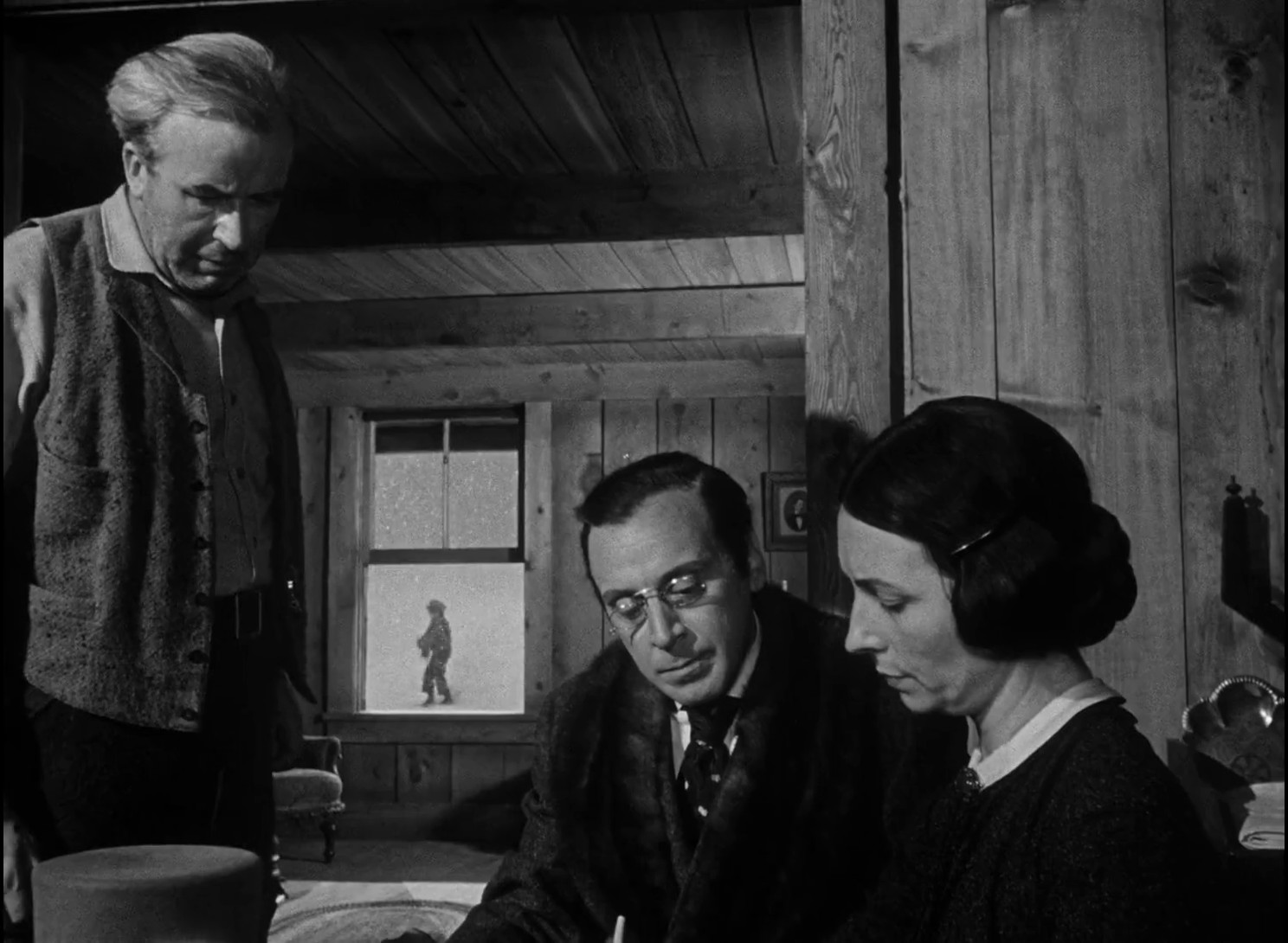
Here’s another. Three characters all largely turned towards us (ok, one is a side profile) all talking. AND look at the framing of the boy playing. This is a very deliberatly crafted bit of theatrical staging.
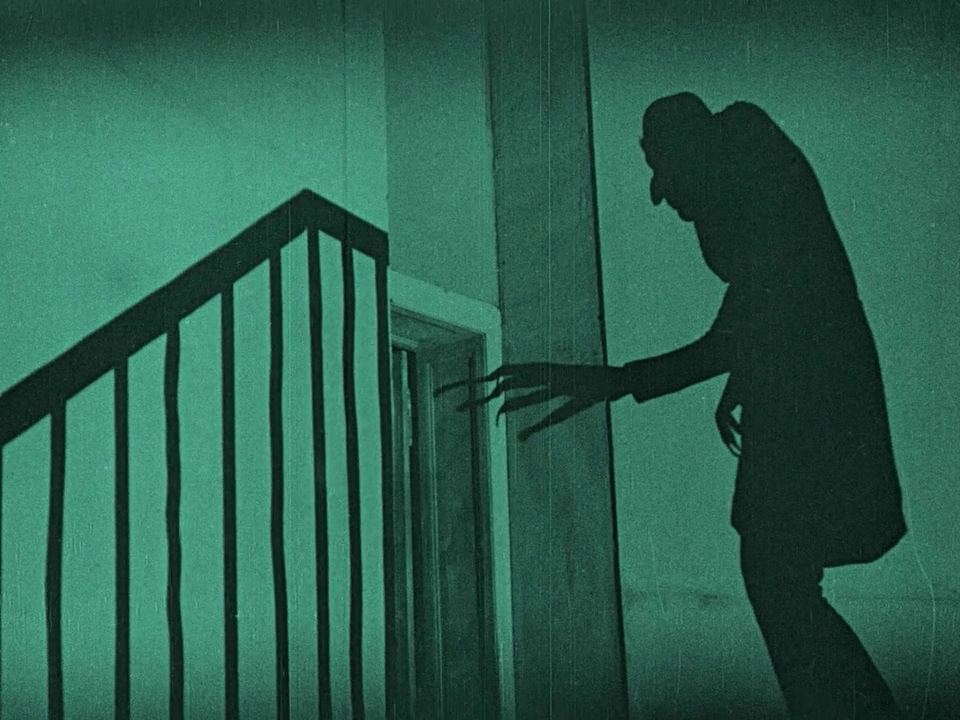
Here’s Nosferatu, right at the beginning of film, when they were still playing it as theatre…
Now, look at this, shadow of the Count Orlak, and the shadow of the Bannister and a door. This has more in common with theatre and comics than it does with film (well, at least until you get to the amazing Francis Ford Coppola/Bram Stoker’s Dracula)
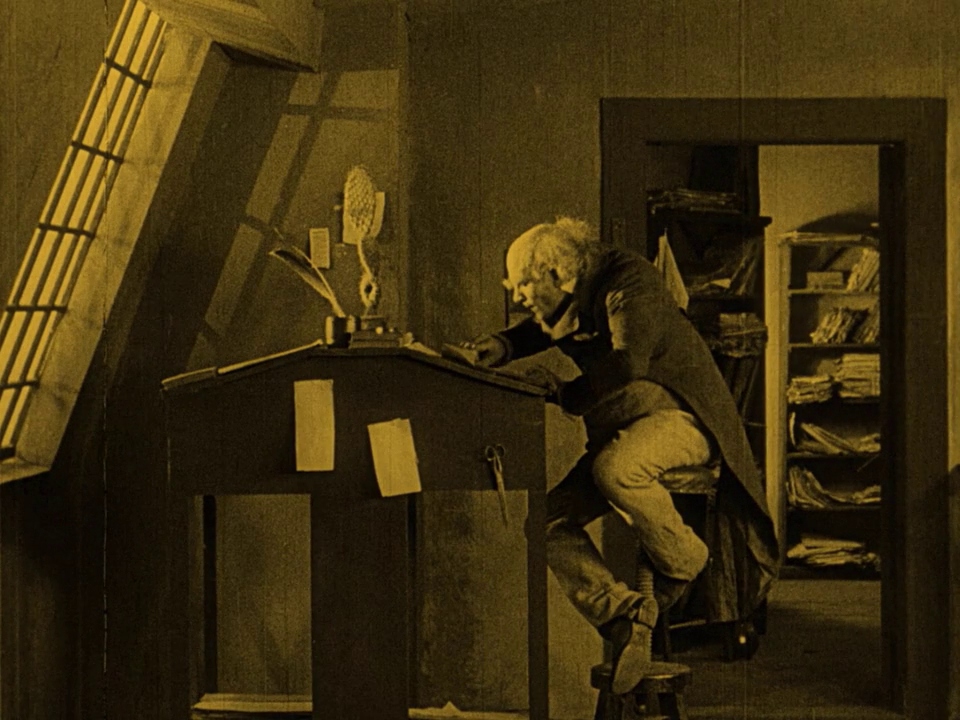
Here again, a very much more symbolic background than real – the lighting from the window and a full frame figure. Haunched over the table. Visual story telling. In theatre and opera figures have to be BIG over the top aklmost in order to be seen at the back of the theatre. In comics, you want someone to know this is a lowly menial figure from a single drawing. We’re pulling the same trick. Film and TV, can DO that but tends to not do that. It’s reaching for realisim so often over verisimilitude.
(Actually, How to Get to Heaven for Belfast might be worth a watch as something that does this too)
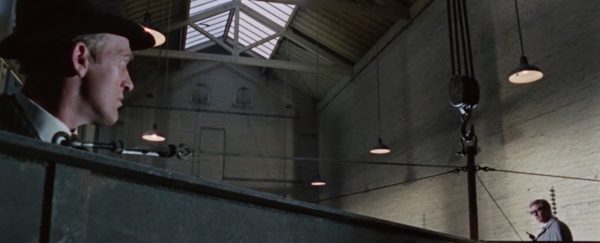
Another favourite of mine, which feels like it was thought of as much in theatre as film/tv is the Ipcress Files. (I’ve stolen these from https://thecinemaarchives.com/2020/11/19/the-ipcress-file-1965-furie/)
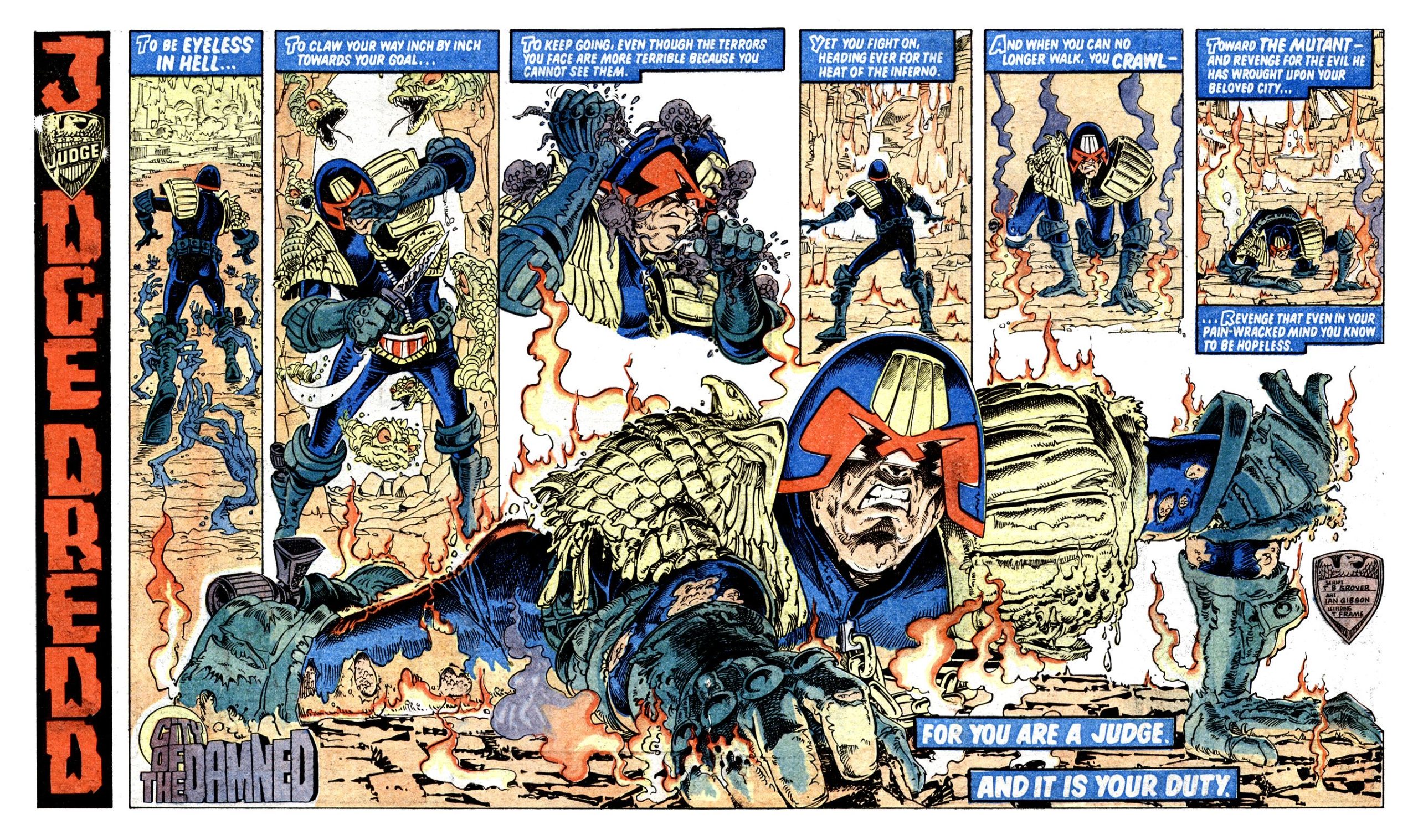
I’d also say a few years ago Garth Ennis and I were talking about the Judge Dredd’s of our youth, and it’s my contention that those Dredd and what made them magnificent was the pracitcally operatic nature of the stories and the characters. Dredd standing firm in front of insane looking bad guys and making mad proclamations…
And I leave you with this, if this isn’t opera then I don’t know what is….